
Longyearbyen: Our Guide to Svalbard's Arctic Town
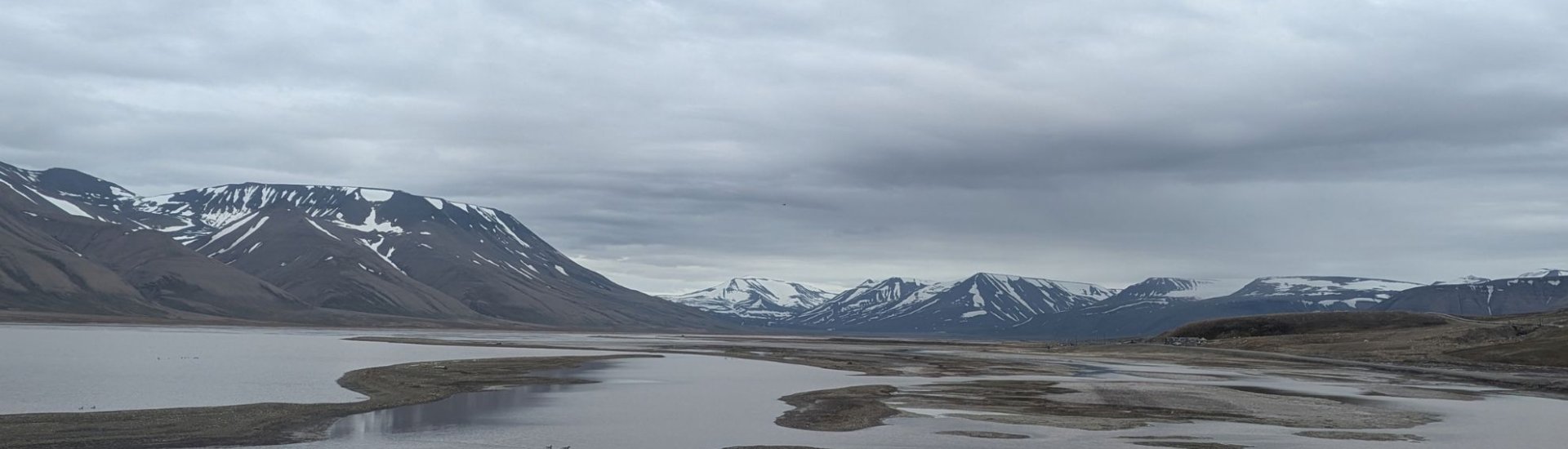
There are few places quite like Longyearbyen, set among the mountains of Spitsbergen, high above the Arctic Circle. This small Norwegian town is both a working community and a gateway to Svalbard's wilderness.
We visited in July, when the Midnight Sun means the light never really leaves. It's surprisingly easy to lose track of time when the sky is still bright late in the evening. We certainly didn't worry about the time when we headed out on a fossil hike at 9pm!
Longyearbyen is a fantastic option for a pre-cruise stay, giving you time to explore the town and experience more of Svalbard before setting sail on your expedition cruise.
A Glimpse of Our Visit
Exploring Longyearbyen
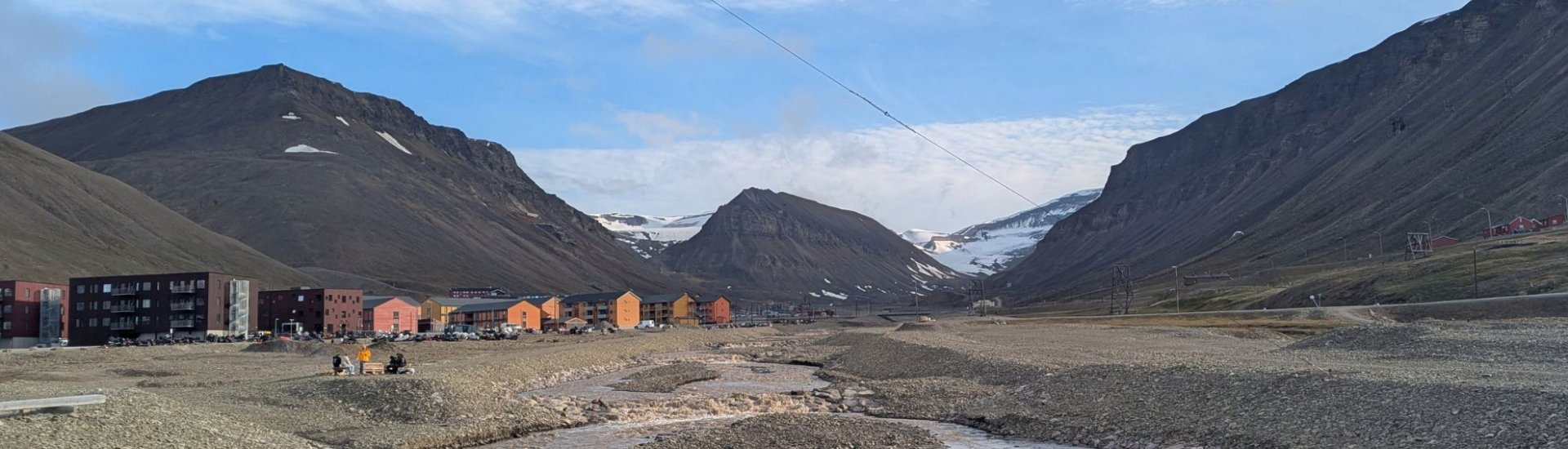
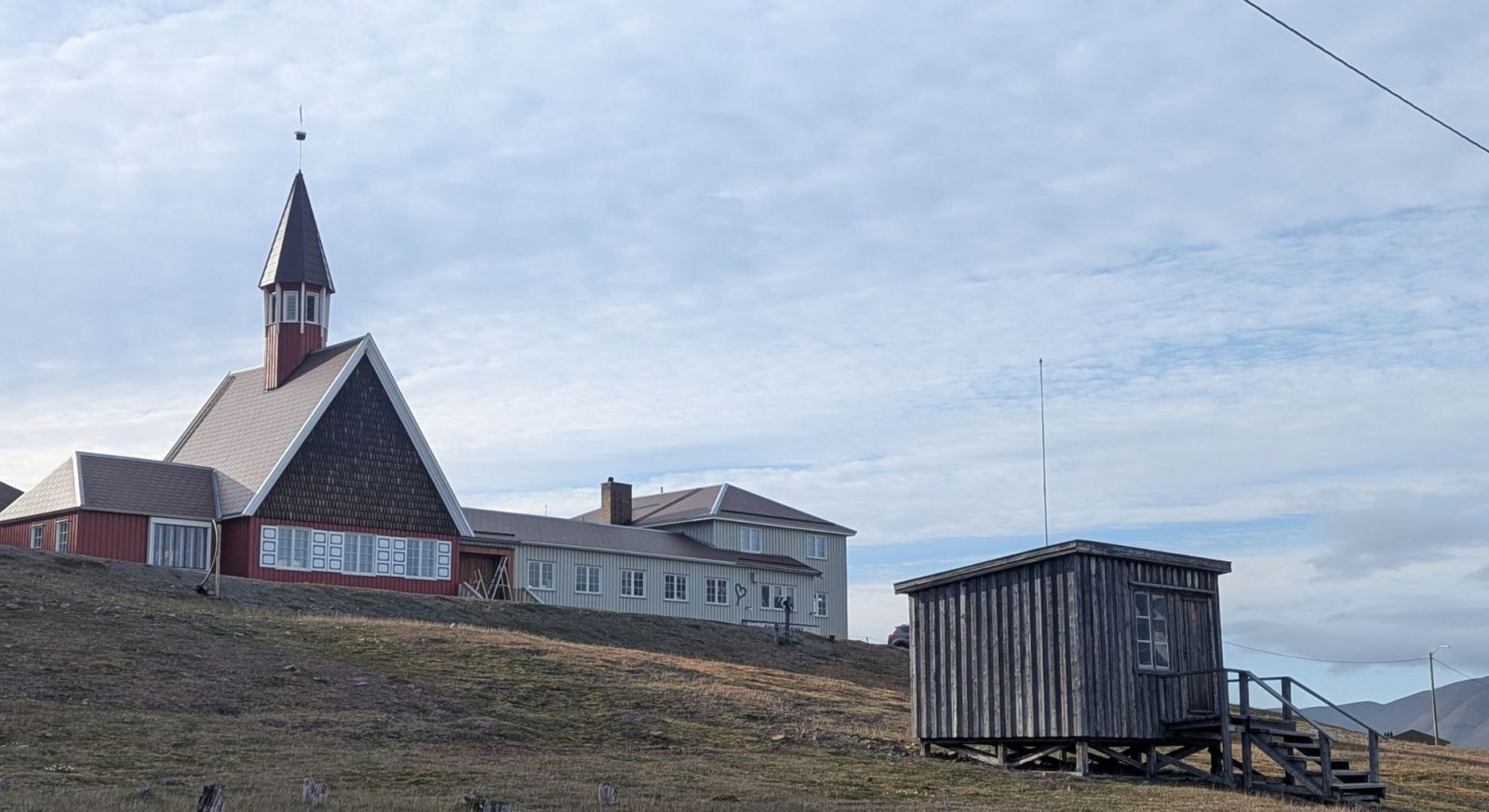
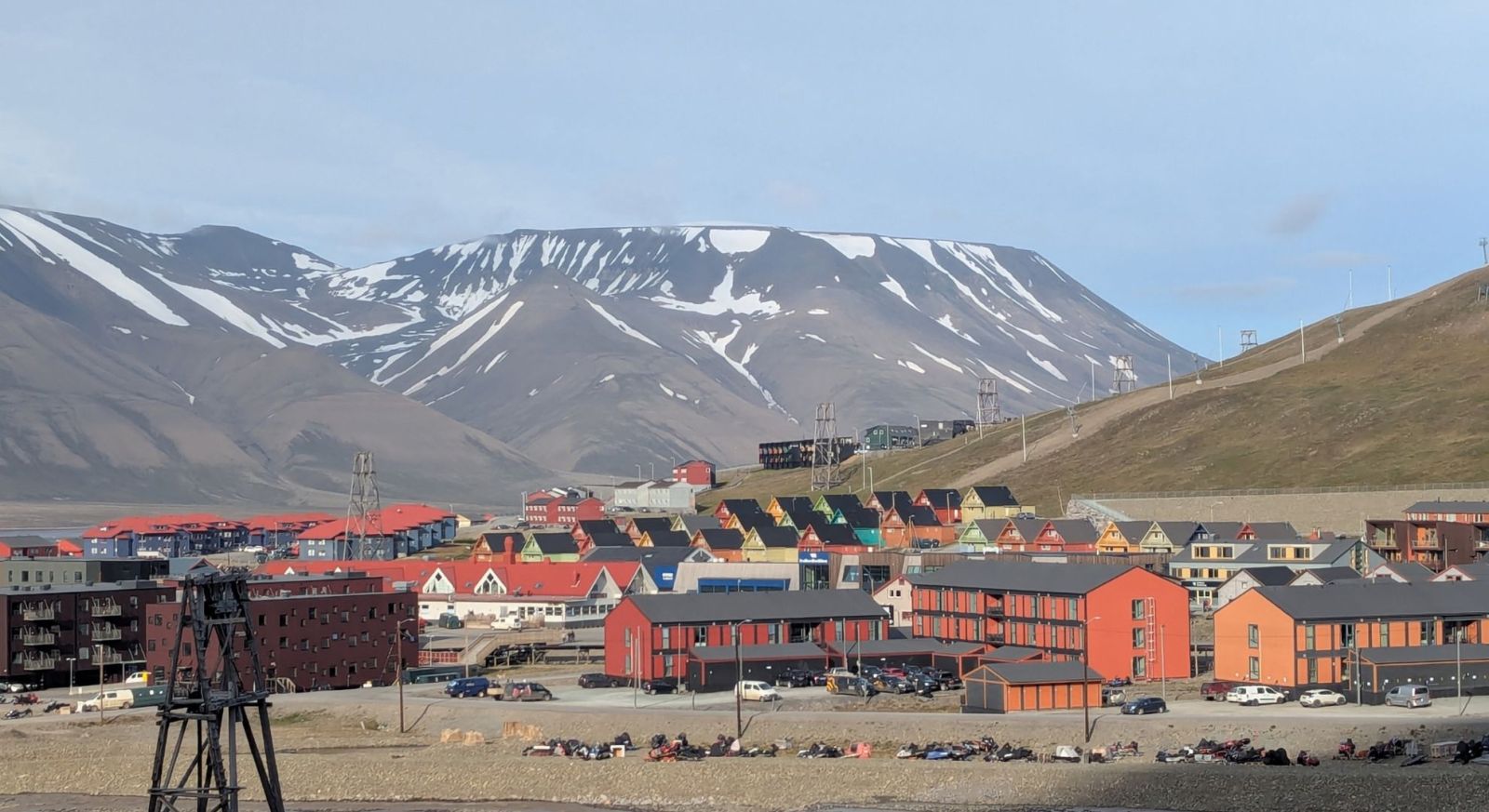
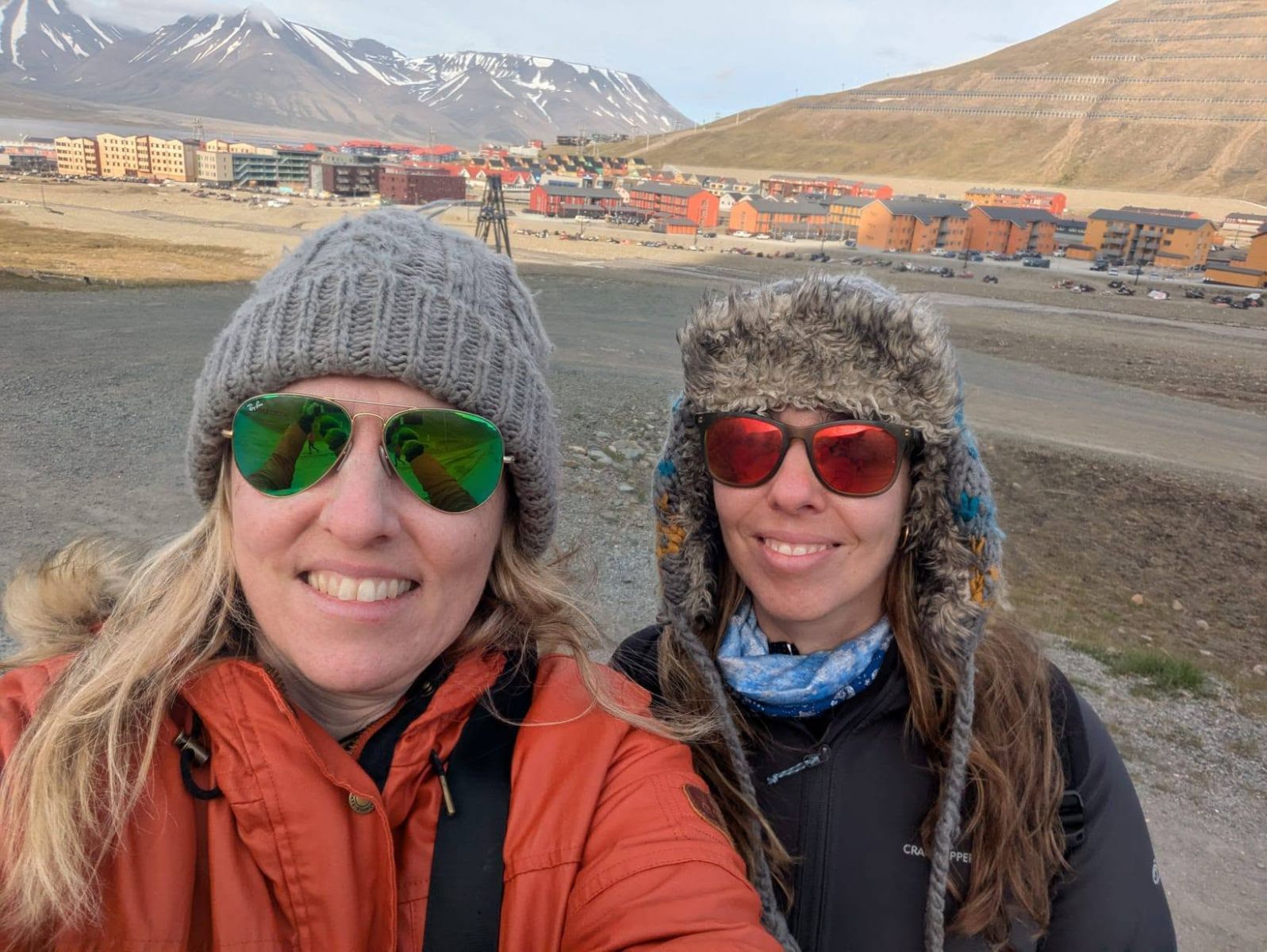
Longyearbyen is the world's northernmost settlement with more than 1,000 permanent residents. Its brightly coloured buildings, mountain backdrop and unusual Arctic setting make it fascinating to explore on foot.
In the centre you'll find local shops, outdoor clothing stores, cafés and restaurants. Look out for the insulated utility pipes above ground, a practical response to the permafrost beneath the town.
You'll also notice plenty of snowmobiles and a custom of removing outdoor shoes in certain buildings, a tradition linked to Longyearbyen's coal-mining history.
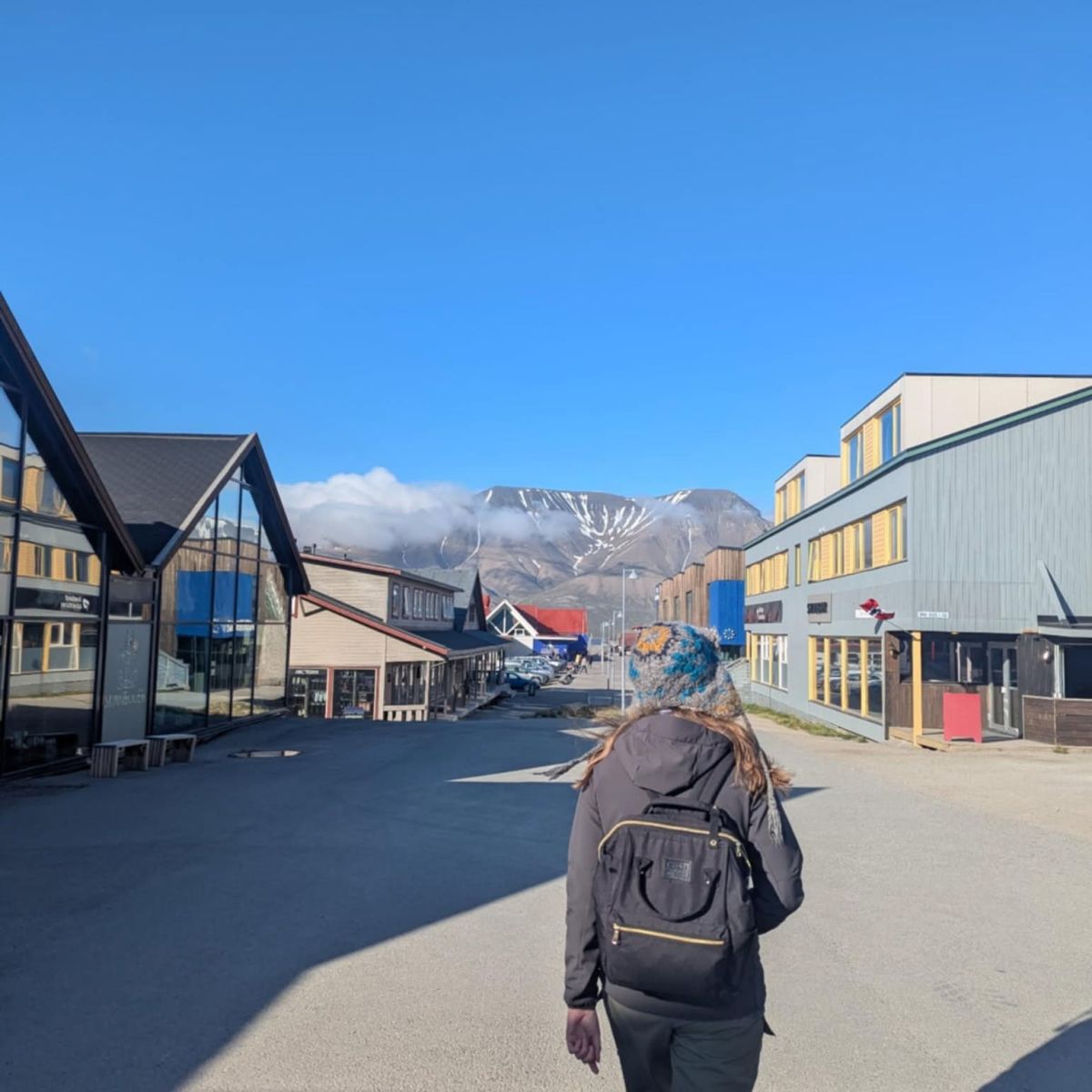
Things to Do in Longyearbyen
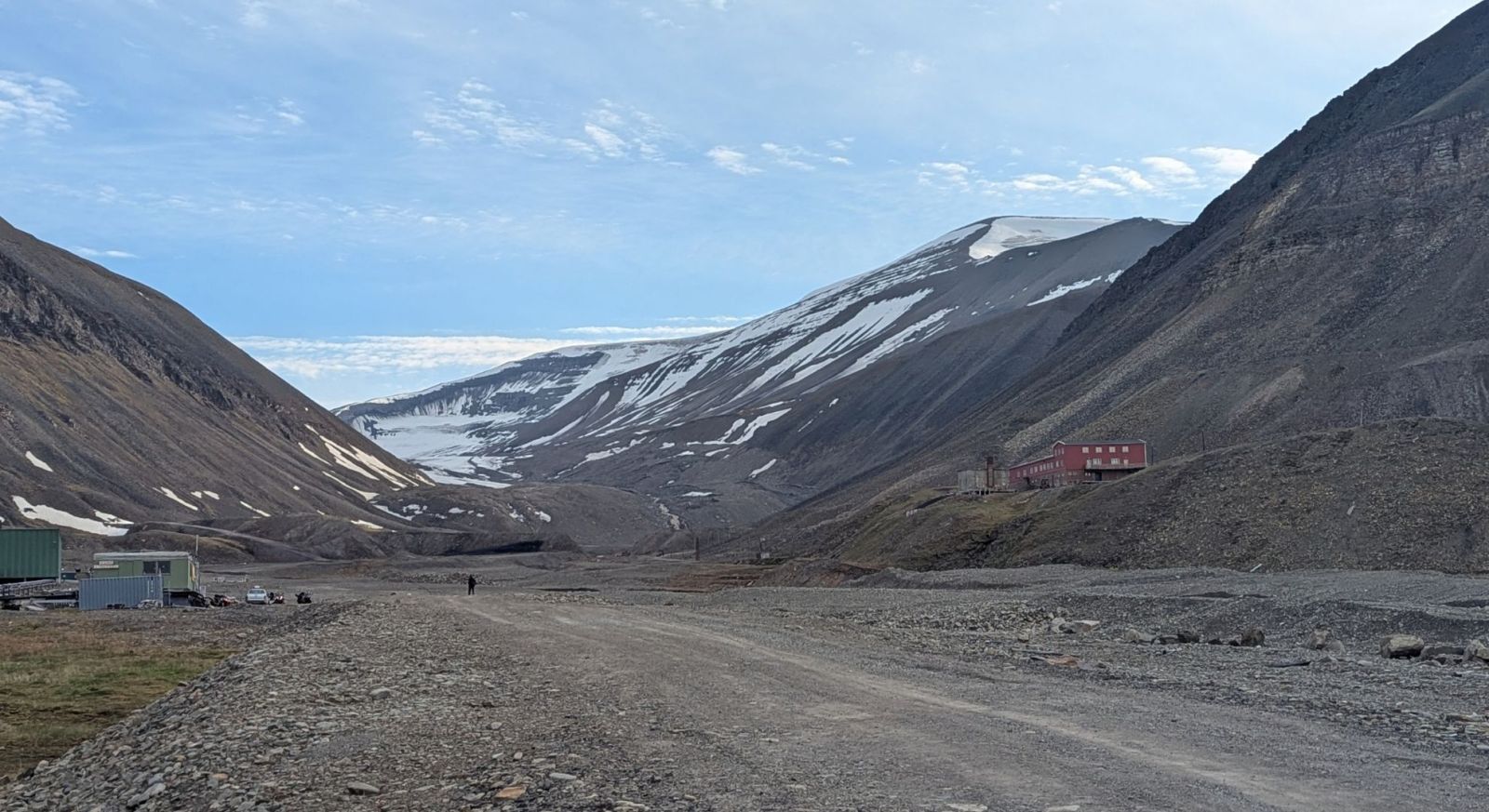
Explore the Arctic landscape
Guided hikes, wildlife watching, boat trips and other seasonal excursions offer the chance to see more of the landscape around Longyearbyen. Activities vary considerably between summer and winter, so it's worth planning around what you most want to experience.
Try a husky adventure
For traditional dog sledding on snow, February to April is generally a good period, with some trips possible into May depending on conditions. In summer, several operators offer wheeled husky sledding or cart experiences, typically beginning around June.
That means a husky experience can still be part of a summer Svalbard expedition cruise holiday.
Fossil Hunting Under the Midnight Sun
One of our favourite experiences was heading out on a guided fossil hike at 9pm. It was still broad daylight, thanks to the Midnight Sun.
We even found a fossilised fern, a fascinating reminder of Svalbard's very different prehistoric environment.
Here's a little glimpse of our fossil-hunting experience.
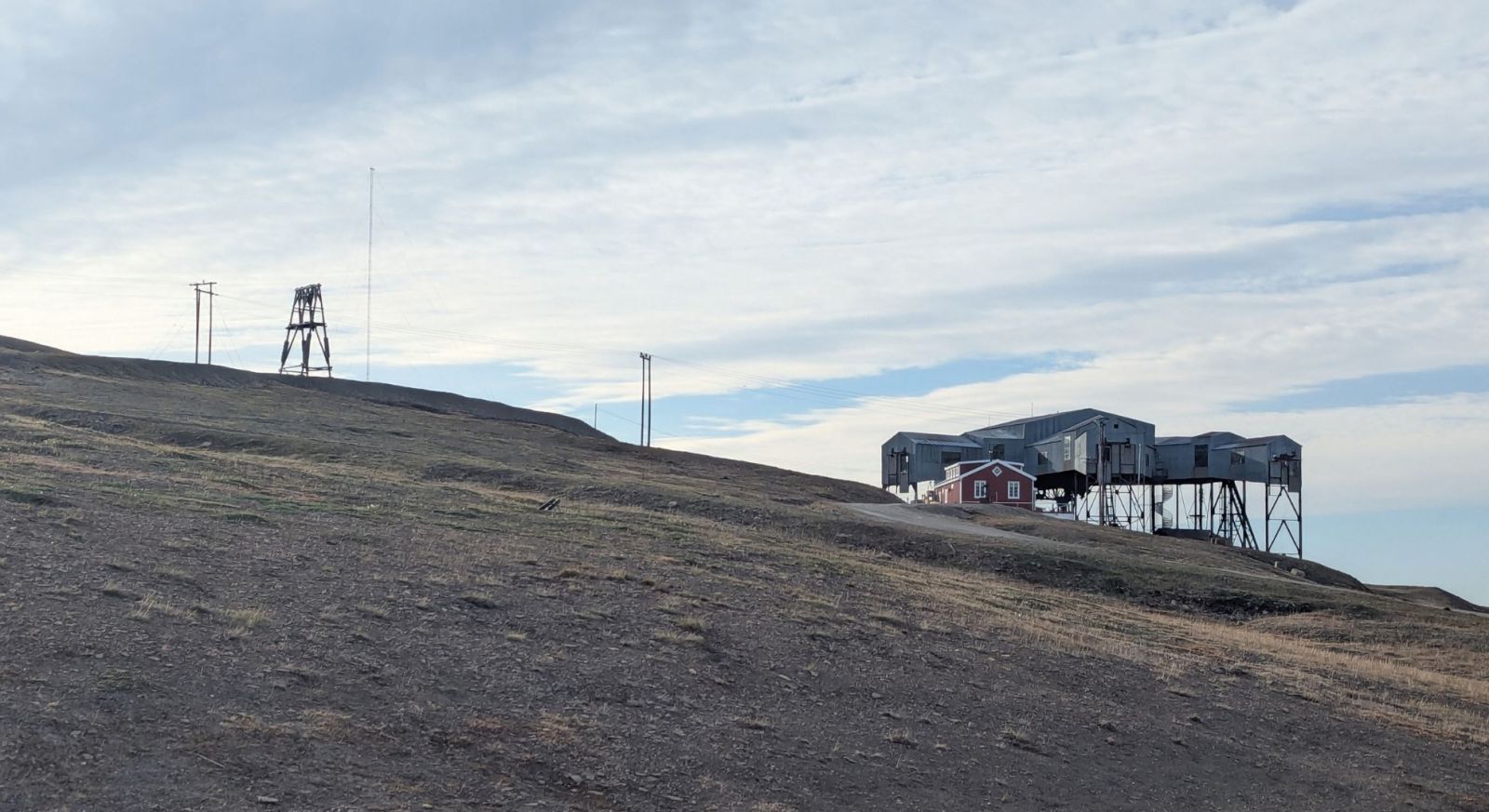
Longyearbyen's Coal-Mining Past
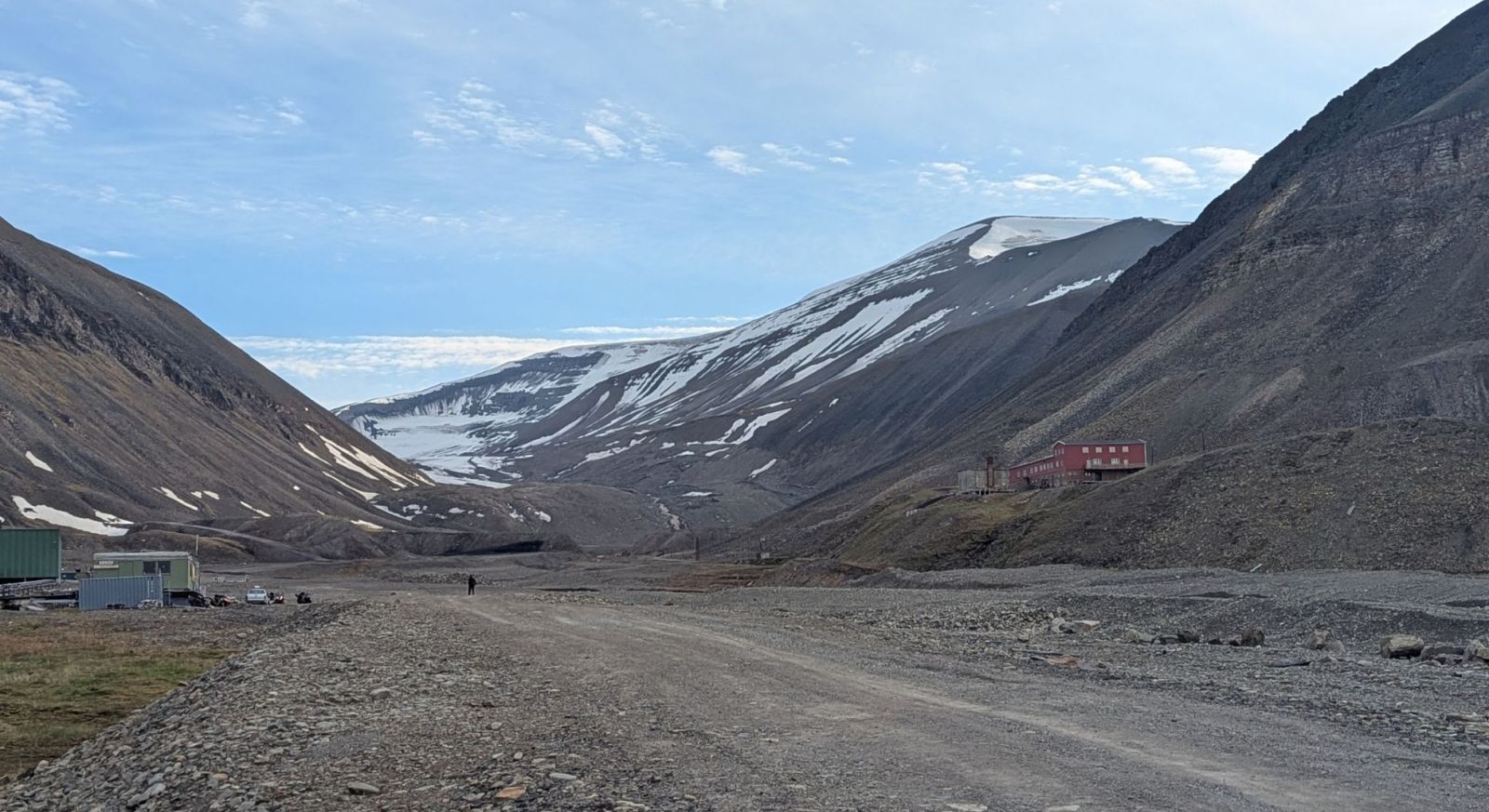
Coal mining shaped Longyearbyen's development, architecture and many of its local traditions. The last Norwegian-operated coal mine in the area closed in 2025, marking the end of a significant chapter in the town's history.
You'll still see reminders of the mining era as you explore, from industrial structures on the mountainsides to the custom of leaving outdoor shoes at the door.
Where We Stayed in Longyearbyen
Funken Lodge
During our visit, we stayed at Funken Lodge, a lovely boutique hotel set slightly above the town centre, with fantastic views across Longyearbyen and the surrounding mountains.
Radisson Blu Polar Hotel
We also visited the Radisson Blu Polar Hotel, which has a more central location, within easy walking distance of the town's shops, restaurants and attractions.
Both are good options before or after an expedition cruise, depending on whether you prefer a quieter location or somewhere right in the centre of town.

If you're planning a Svalbard expedition cruise, we can arrange your accommodation in Longyearbyen as part of your overall holiday package. Whether you'd like an extra night or two or a longer stay, we can organise hotels, flights and excursions alongside your expedition.
When Is the Best Time to Visit?
Summer (June to August): Long daylight hours, the Midnight Sun for much of the season, hiking and boat excursions, and the main Svalbard expedition cruise season.
Spring (roughly February to May): Snow-covered landscapes and opportunities for winter activities, including traditional dog sledding when conditions allow.
Autumn and winter: Darker skies and a very different Arctic atmosphere. Longyearbyen experiences polar night in winter, when the sun remains below the horizon for an extended period.
Fascinating Facts About Longyearbyen
Can you really be born or buried here?
There is no blanket law banning birth or death in Longyearbyen. However, the town has limited specialist medical facilities, so expectant mothers generally travel to mainland Norway to give birth. Traditional coffin burials are not permitted because of the permanently frozen ground, known as permafrost, which slows decomposition. Urn burials are permitted under certain conditions.
Three months without the sun
During the deepest part of winter, the sun stays far below the horizon. The experience is very different from a British winter, with prolonged darkness and sometimes striking Arctic twilight around the edges of the season.
Arctic terns mean business
These remarkable migratory birds travel huge distances and can be fiercely protective of their nests. During breeding season, keep well clear of nesting areas and follow local advice.
Coal dust shaped local customs
Removing outdoor shoes in certain hotels and buildings is a reminder of the mining days, when keeping interiors clean was particularly important.
A town with a university
Longyearbyen is a base for Arctic science and education. The University Centre in Svalbard attracts researchers and students interested in the polar environment.
Reindeer close to home
Svalbard reindeer may be seen near the settlement. Enjoy watching them from a distance and avoid disturbing them or their feeding areas.
Practical Advice for Visiting Longyearbyen
How do you get to Longyearbyen?
Most UK travellers reach Longyearbyen by flying via mainland Norway, commonly Oslo or Tromsø. When we visited in July, we flew with SAS Scandinavian Airlines. Connections vary by season, so allow plenty of time between flights, particularly before joining a cruise. We can arrange flights, accommodation and your expedition cruise together.
Can you walk around Longyearbyen?
Longyearbyen is a small town and the centre is easy to explore on foot, although some hotels are located further uphill.
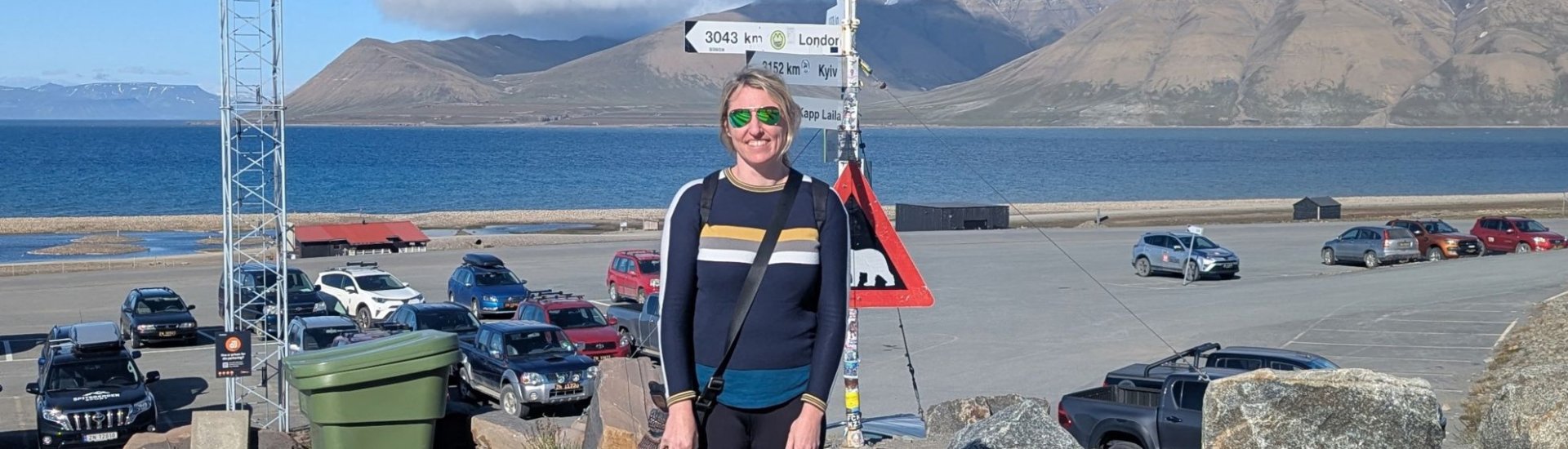
Look out for the polar bear warning signs marking the boundaries of the town's safer area. You should not walk beyond these signs without appropriate polar bear protection. We recommend an organised excursion with an experienced local guide for exploring beyond town.
What should you pack for Longyearbyen?
Bring warm layers, a windproof and waterproof jacket, sturdy footwear, gloves and a hat. Even in summer, Arctic weather can be cold and change quickly. For an expedition cruise, your operator may also provide a specific packing list.
How long should you stay in Longyearbyen?
We recommend allowing at least one or two nights before your expedition cruise. That gives you time to explore the town and perhaps join a guided excursion before boarding your ship.
Will I see polar bears in Longyearbyen?
You're unlikely to see a polar bear in Longyearbyen itself. Polar bears are wild and unpredictable, and sightings are never guaranteed.
For the best chance of seeing polar bears in their natural habitat, we recommend a Svalbard expedition cruise, where ships can explore remote coastlines and areas of sea ice. Wildlife encounters should always take place at a safe distance. Organised trips must not pursue or disturb polar bears.
Discover More of Svalbard
Longyearbyen is just the starting point for exploring Svalbard. For more inspiration, wildlife information and ideas for your Arctic adventure, take a look at our Svalbard travel guide.
Plan Your Svalbard Expedition
We've experienced Longyearbyen ourselves and can help you put together an expedition cruise with the flights, hotels and excursions that suit you.
Explore Our Expedition Cruises