Is It Safe to Go on Safari in Africa?
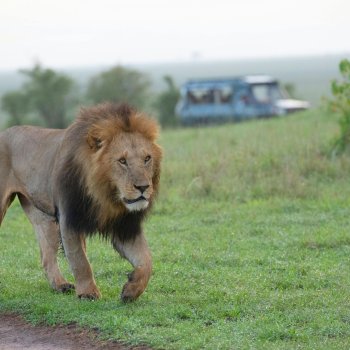
You can be metres from a lion, bumping along a dusty track before sunrise, and still be in a very controlled environment. A well-planned safari is not reckless travel. In most cases, it is a carefully managed experience led by people who understand wildlife behaviour, local conditions and how to keep guests safe without taking away the sense of adventure.
The short answer is yes, a safari holiday can be very safe. The longer answer is that safety depends on where you go, who you travel with, how well your itinerary is designed and whether the trip suits your comfort level, health needs and travel style. Africa is a vast continent, not a single destination, so the safety profile of a luxury lodge in Botswana is very different from a self-drive route through remote areas.
Looking for a personalised safari experience? You've come to the right place!
(9).png)
(1).jpg)
Is it safe to go on safari in Africa? Yes, with the right planning
Most safari holidays run smoothly and safely every day. Reputable camps, lodges and guides work to strict procedures. Game drives follow established park rules, guides are trained in animal behaviour, and guest briefings are standard rather than optional. In many safari regions, tourism depends on safety and professionalism, so experienced operators take it seriously.
That said, safari is still a real wilderness experience. You are not visiting a zoo. Animals are wild, roads can be rough, flights may be on small aircraft, and remote areas often mean limited medical facilities nearby. None of that should put you off, but it does mean safari rewards proper planning more than a last-minute bargain or looking for the cheapest product.
For most travellers, the main risks are not dramatic wildlife encounters. They are usually more ordinary things such as dehydration, stomach upsets, minor injuries getting in and out of vehicles, long transfer days, or choosing an itinerary that is too ambitious for the season or the group.
You are in safe hands with Mapping Your Travel. Book a safari consultation call today.

What actually affects safari safety?
The biggest factor is destination choice. Some safari countries are exceptionally well set up for tourism, with strong guiding standards, excellent lodges and reliable internal logistics. Parts of South Africa, Botswana, Namibia, Kenya, Tanzania, Zambia and Rwanda are long-established safari destinations with well established infrastructure for visitors. Not all parts of a country are the same, choosing the right region matters.
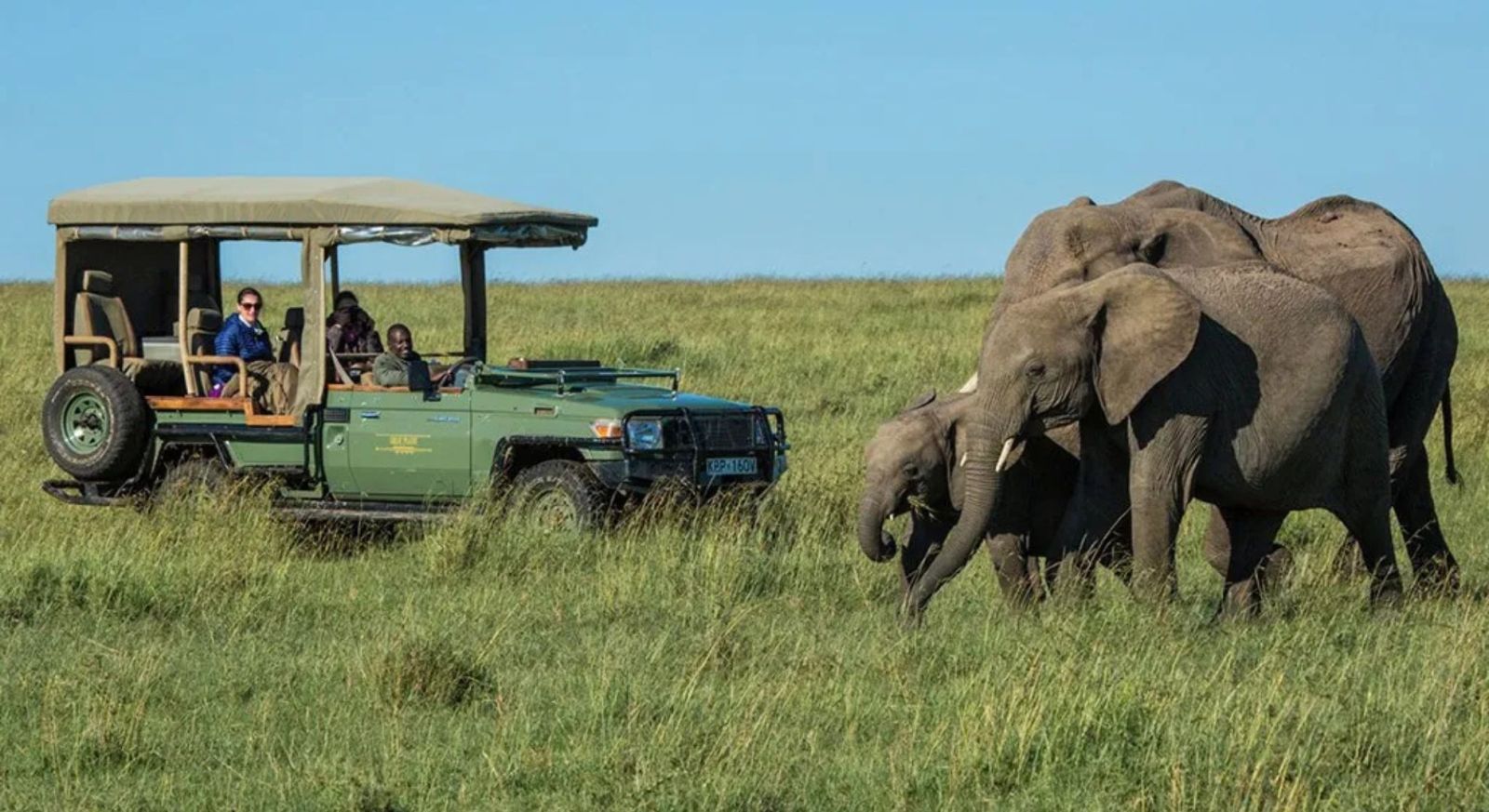
The second factor is the guiding team. A knowledgeable guide does far more than spot wildlife. They read animal mood and movement, position the vehicle correctly, judge distances, explain camp rules and respond calmly if plans need to change. Good safari guiding often looks effortless, but that confidence comes from training and experience.
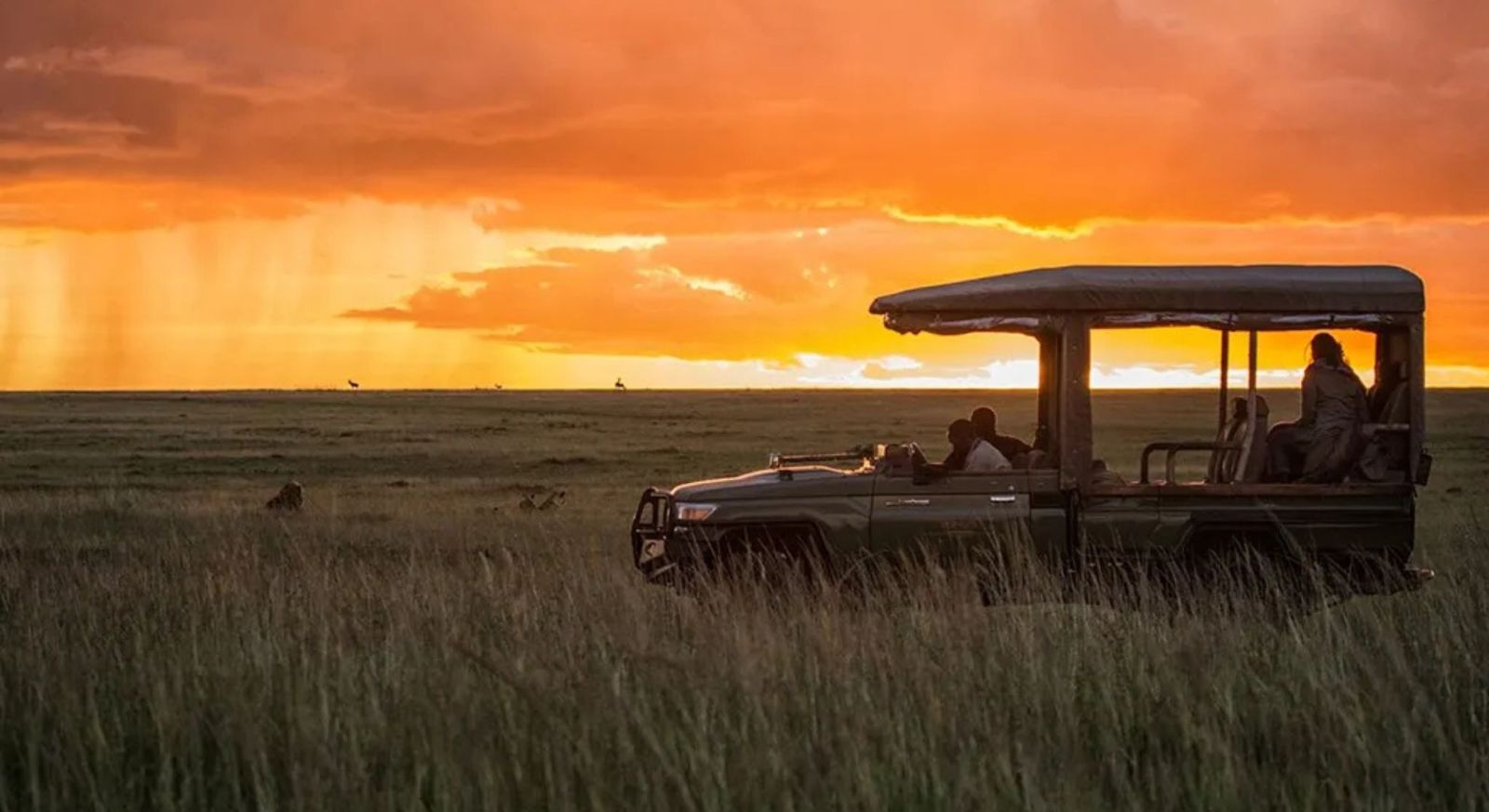
Your style of safari matters too. A fly-in lodge stay with guided activities is generally more controlled than a self-drive safari, especially for first-timers. Mobile camping trips can be brilliantly immersive, but they may involve a little more physical effort and a higher tolerance for basic conditions. Walking safaris are safe when properly guided, but they are naturally different from game drives and should be chosen with clear expectations.
Book a consultation call to speak to us about different options:
Wildlife risks are real, but managed
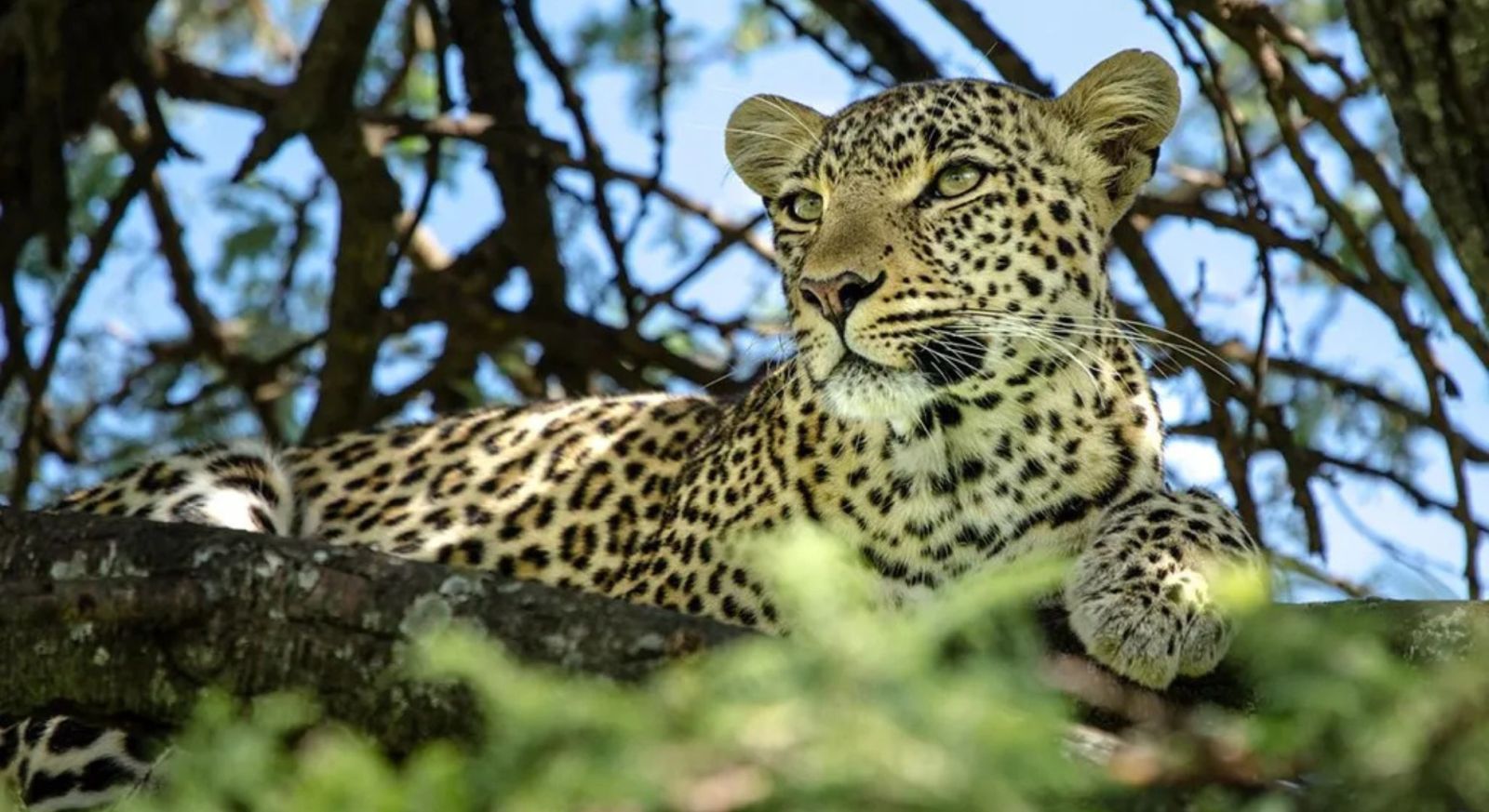
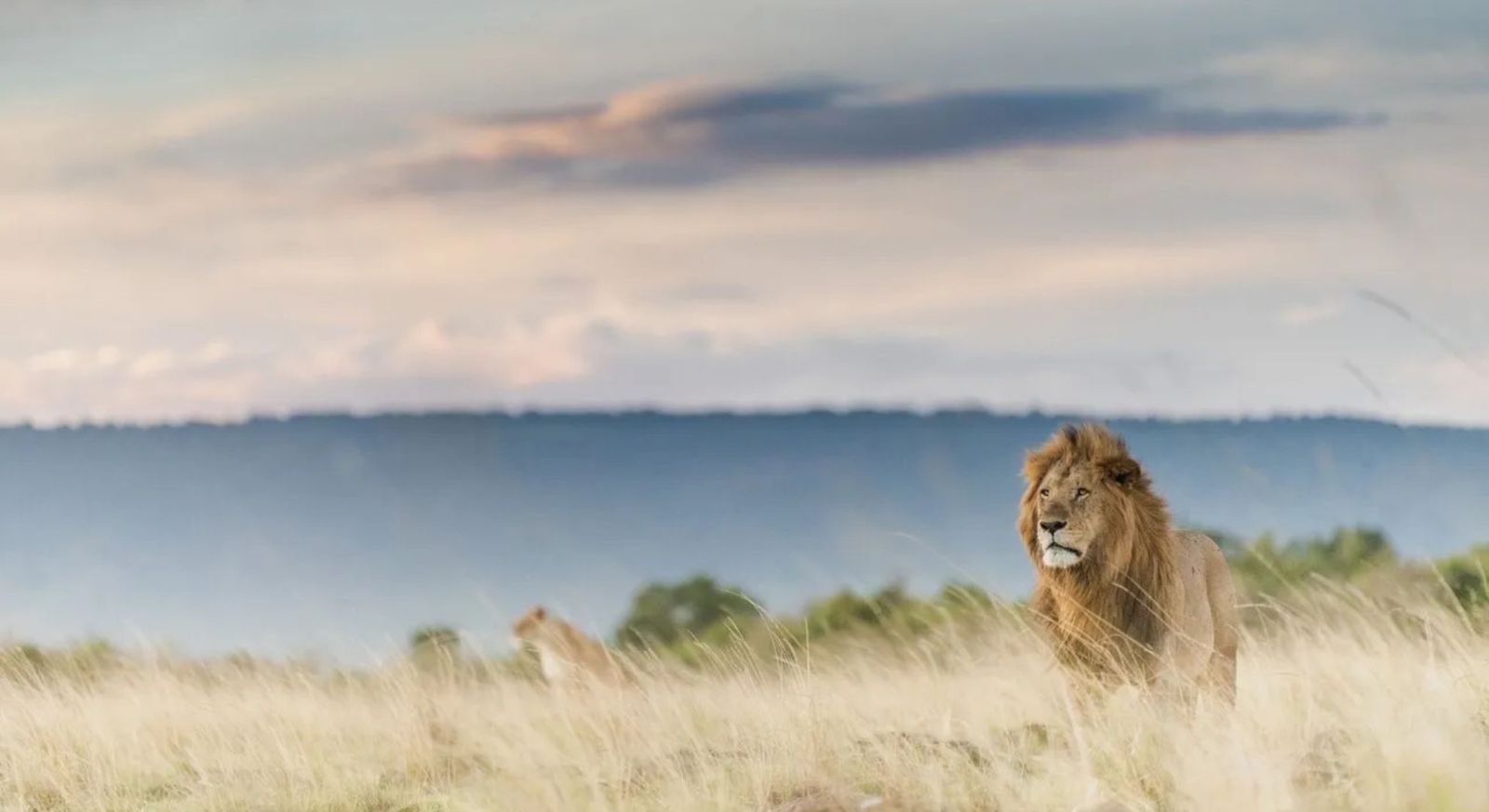
People are less worried about the airport transfer than they are about elephants, lions, buffalo and hippos. Serious incidents involving safari guests are rare, and when they do happen they are often linked to rules being ignored.
The basics are simple. Stay in the vehicle unless your guide says otherwise. Listen during safety briefings. Keep noise low around wildlife. Do not lean out for photographs. In unfenced camps, use escorts where provided and follow instructions after dark. These rules are not there to make the trip feel restrictive. They are what allow you to experience wild places safely and respectfully.
Animals are unpredictable, but guides are highly skilled at reducing risk. They know when to back away, when to wait, and when a sighting is no longer appropriate. If you are travelling with children or anyone nervous about wildlife, that can be factored into the design of the trip by choosing family-friendly properties and areas known for gentler pacing. Safari lodges often have a minimum age requirement-usually age 8 and above. Some have routes that are suitable for younger children.
We're here to make things a lot easier for you!
Health and medical safety matter just as much
When people ask whether it is safe to go on safari in Africa, health tends to get less attention than wildlife, but it deserves equal attention. The right vaccinations, malaria advice and travel insurance are a core part of planning. Requirements vary by country and by region, so it is worth checking current guidance well in advance through official health sources and your GP.
Malaria is a consideration in some safari areas, but not all. There are excellent safari regions where malaria risk is low or seasonal, and others where precautions are routine and manageable. The key is not to guess. Match the destination to your priorities, whether that is avoiding malaria-risk areas, keeping road travel to a minimum or staying within reach of stronger medical support.
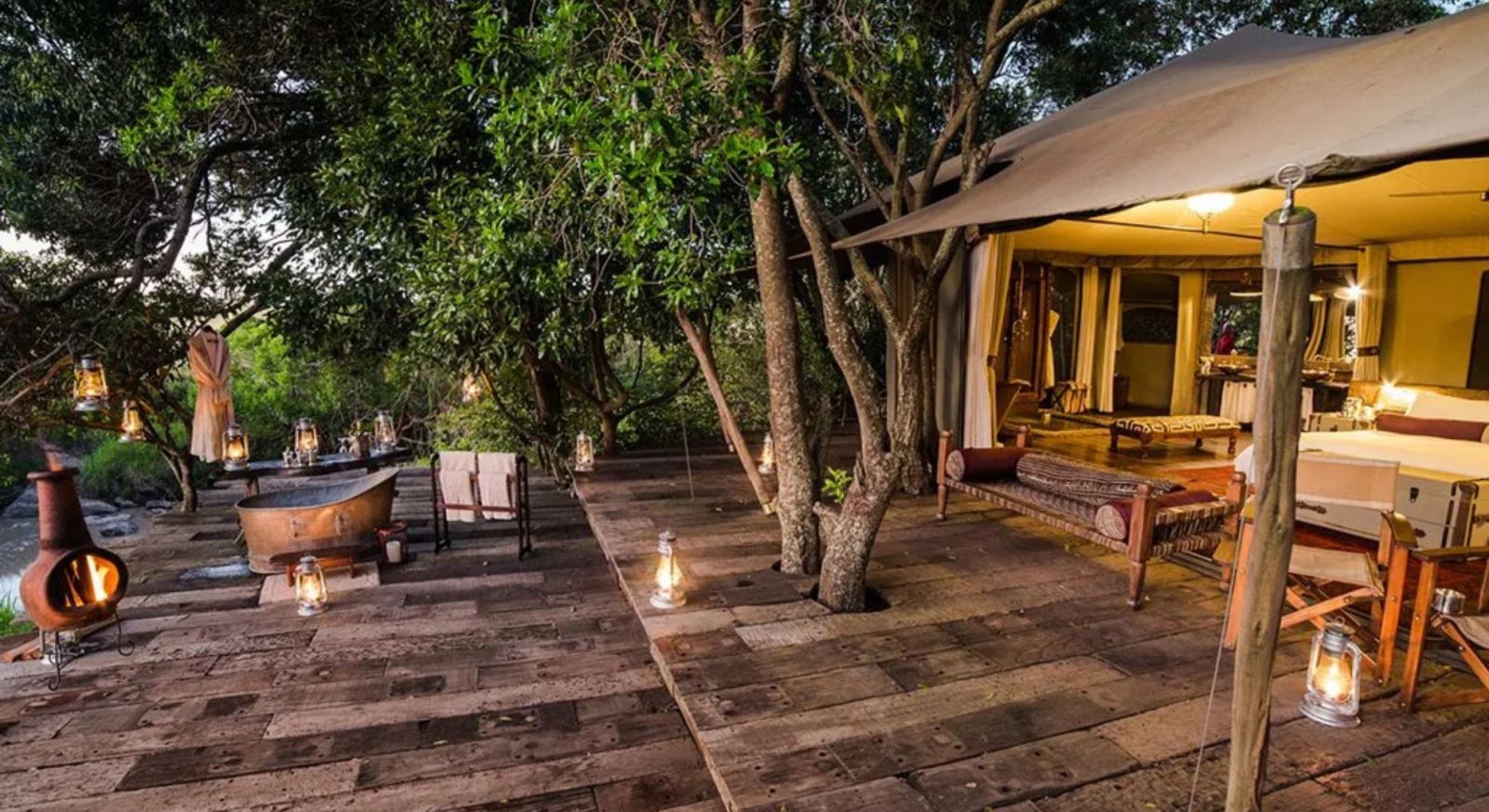
Lodges are usually well prepared for common issues, but safari camps can be remote. If you have a medical condition, mobility concerns, dietary needs or are travelling while pregnant, that should shape the itinerary from the start. This is where tailored planning is valuable. The safest safari is often the one built around you rather than squeezed into a generic off the shelf package.
Safety varies between countries and parks
A Big Five safari in Kruger, a honeymoon in the Okavango Delta, a Great Migration camp in Tanzania and gorilla trekking in Rwanda all involve different logistics and different types of risk.
Some destinations are ideal for first-time safari travellers because they combine strong infrastructure with excellent wildlife viewing. Others are better for seasoned travellers who are comfortable with remoteness, light aircraft and longer transfer times. Urban safety can also differ from safari safety. You might be perfectly comfortable in a high-end private reserve while needing a little more caution in a city before or after your trip.
.jpg)
How to make your safari safer from the start
Choose established accommodation with experienced guiding teams. Avoid overloading the itinerary with too many internal flights or long drives just to fit more in. Build in enough rest, especially if you are combining safari with the beach or a city stay..
It also helps to be honest about your comfort zone. If you dislike very small aircraft, say so. If you want luxury but do not want an ultra-remote camp, that can be arranged. If you are travelling as a family and want strong safety protocols without losing the magic of the experience, that is entirely possible.
At Mapping Your Travel, this is exactly where expert planning makes a difference. A safari should feel exciting, not uncertain. Matching travellers to the right destination, season and style of camp removes many of the issues that make people uneasy in the first place.
Is safari safe for families, honeymooners and older travellers?
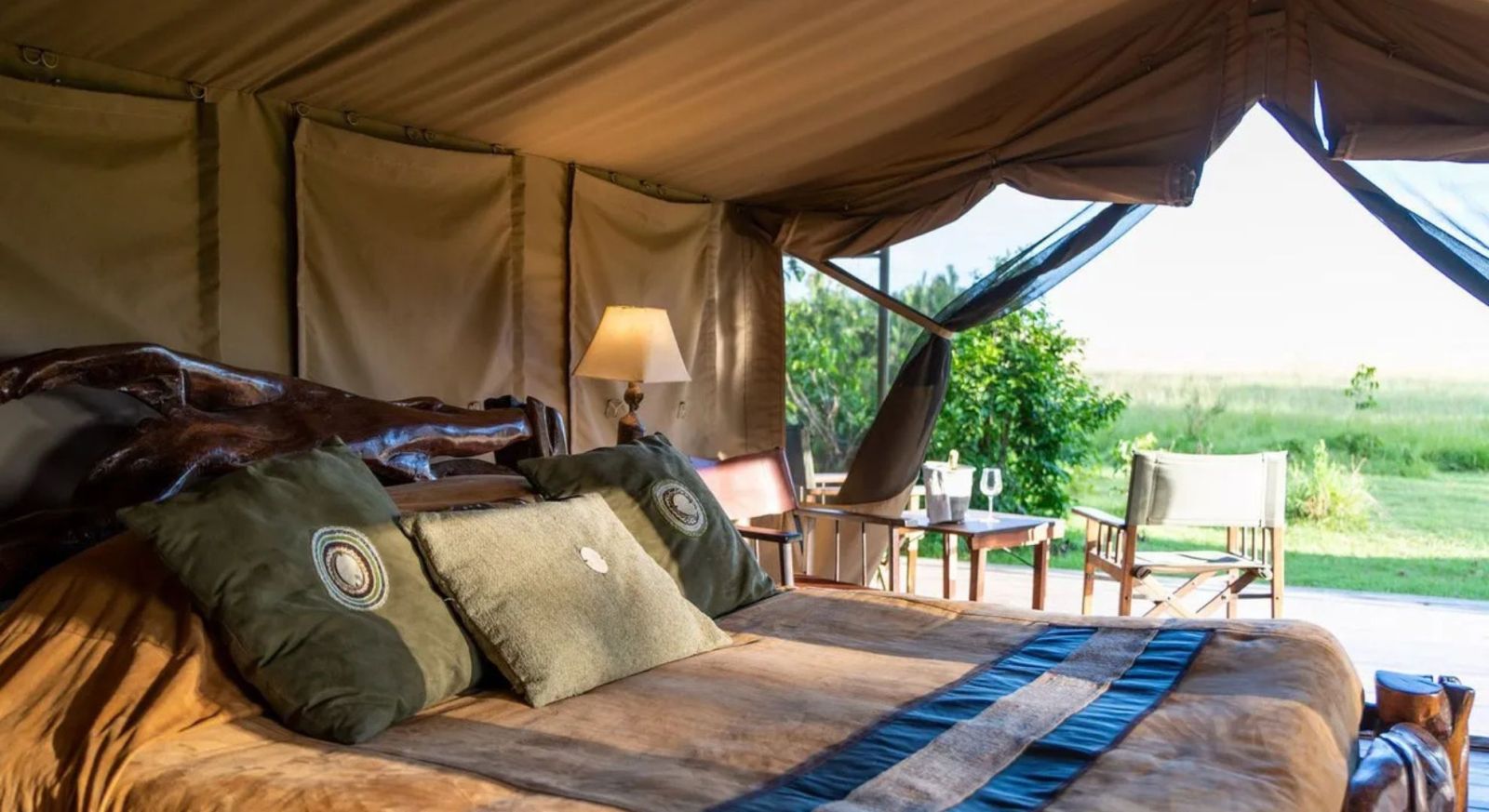
Usually, yes. Families often do brilliantly on safari when the itinerary is age-appropriate and the properties are chosen carefully. Some camps have minimum age rules, while others are designed with family suites, child-friendly guiding and private vehicles that give more flexibility.
For honeymooners, safety often comes down to balance. Many couples want romance and remoteness, but not at the expense of comfort. That might mean combining a beautifully wild safari setting with high service levels, shorter transfers and camps with excellent guest care.
Older travellers can enjoy safari very comfortably too, particularly with the right pace and logistics. Ground handling, room location, accessibility and transfer times all matter. We work with you to create a bespoke itinerary where we ask these important questions.
(26).png)
So, should safety put you off?
The safest safari is not always the most expensive one, but it is almost always the one planned with care, realistic expectations and trusted local expertise behind it.
A good safari gives you that rare feeling of being somewhere genuinely wild while still knowing the experience has been thoughtfully managed. If you choose the right destination, listen to your guides and build the trip around your needs, it will be one of the most rewarding holidays you will ever take.
Take the first step in organising your safari holiday. We are here at Mapping Your Travel to make it happen!