What is the best month to go on an African safari?
If you are wondering what is the best month to go on an African safari, it all depends on the experience you are looking for. Safari timing depends on what you want to see, how you like to travel, and which part of Africa is on your wish list.
That is exactly why safari planning benefits from a tailored approach. “Africa” is far too broad for a one-size-fits-all answer. Seasons shift by region, wildlife moves and grazing shifts, and prices can change sharply between high, shoulder and green season.
(9).png)

What is the best month to go on an African safari?
For many first-time safari travellers, July to October is often considered the safest overall window. These are the classic dry-season months across much of East and Southern Africa, when vegetation is thinner, animals gather around water sources, and game viewing is often at its easiest. If you want strong chances of seeing plenty of wildlife with relatively straightforward conditions, this period is hard to beat.
But “best” is not always the same as “most popular”. These months also tend to bring higher prices, greater demand for the best camps and lodges, and less flexibility if you are booking late. If your priorities include value, birdlife, greener landscapes or avoiding peak-season crowds, another month may suit you far better.

Why the answer depends on where you go
An African safari is not one destination. Kenya, Tanzania, South Africa, Botswana, Namibia, Zambia, Zimbabwe and Rwanda all have different seasonal rhythms, and even within one country, timing can vary from park to park.
East Africa is often tied to migration timing and rainfall patterns. Southern Africa tends to be more strongly defined by dry winter months and wetter summer months. Some safari experiences, such as gorilla trekking or combining safari with beach time, add another layer to the decision.
That is why the better question is often not simply what is the best month to go on an African safari, but what is the best month for your kind of safari.

Best months by safari priority
For classic big game viewing
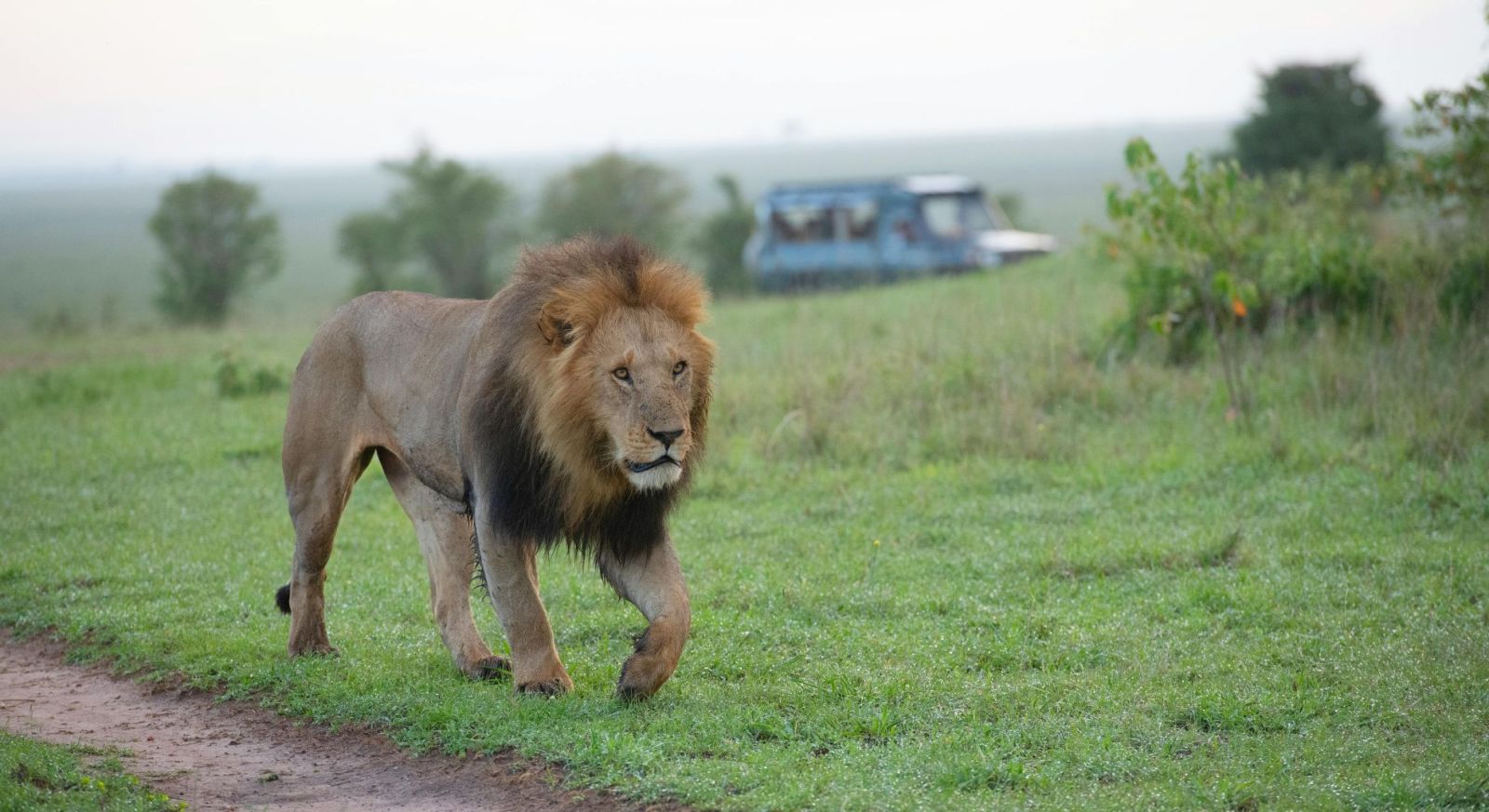
If your dream safari is centred on lions, elephants, leopards and large herds in open landscapes, aim for the dry season. In many safari regions, this runs broadly from June to October. Water becomes scarcer, bush cover thins out, and wildlife is easier to spot.
Botswana is a strong example. During the dry months, the Okavango Delta is in excellent condition for water-based and land-based game viewing, and wildlife concentrations can be superb. South Africa’s private reserves and Kruger area also perform particularly well in winter, when cooler, drier conditions improve visibility.
.jpg)
For the Great Migration
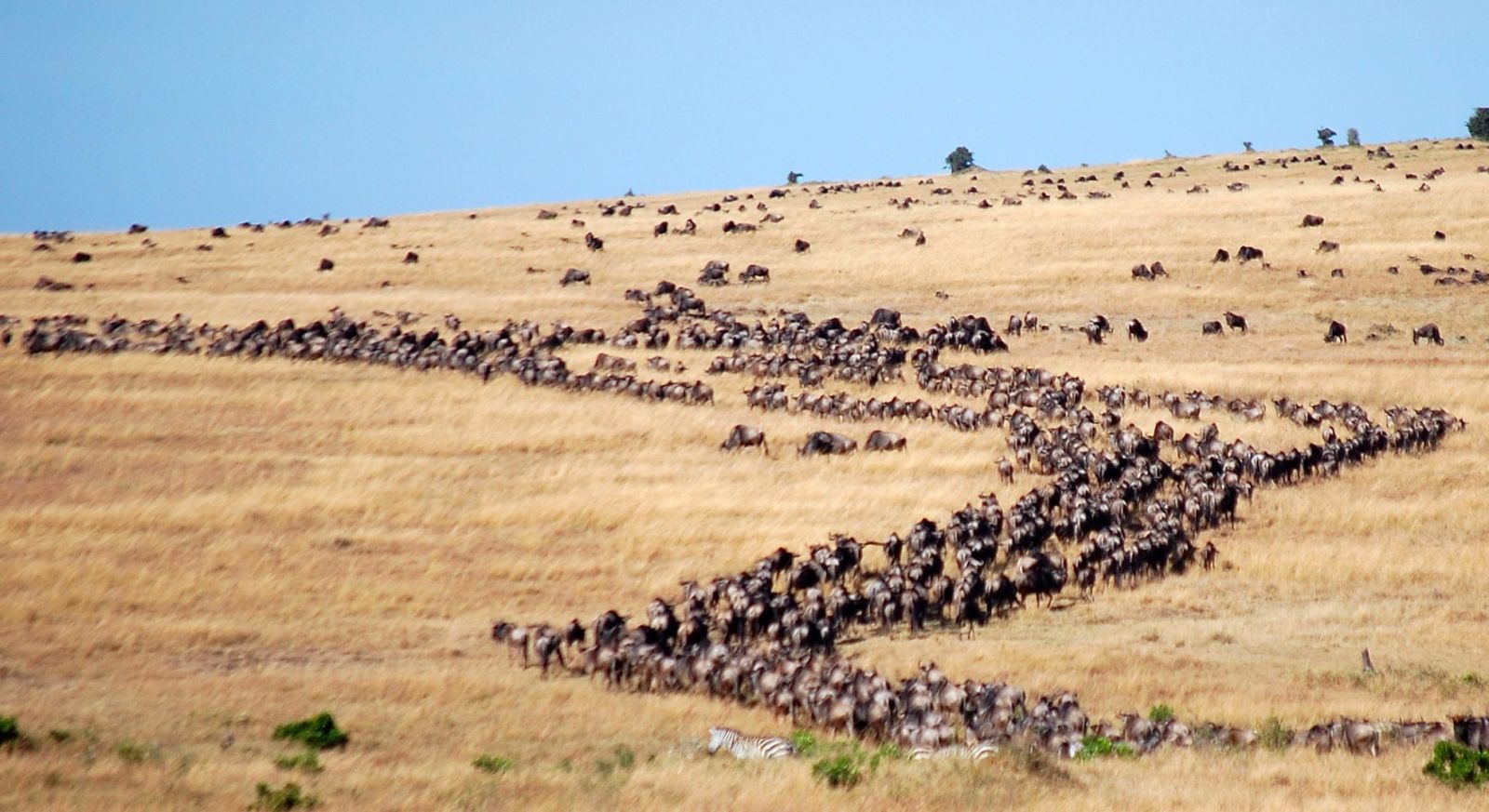
This is where timing becomes more specific. The Great Migration is not one single event in one fixed place. It is a year-round movement of wildebeest and zebra through the Serengeti-Mara ecosystem.
If you are hoping for river crossings in Kenya’s Maasai Mara, July to September is often the key period, though nature never works to a strict calendar. For calving season in the southern Serengeti, January to March can be exceptional, with predator action and dramatic wildlife encounters. So while many travellers assume summer in the UK must be the best time, early in the year can be every bit as rewarding depending on what you want to witness.

For value and fewer crowds
Shoulder and green season can be an excellent choice for travellers who want a more relaxed feel and sharper pricing. In many destinations, November, March and parts of April or May can offer very good value, although conditions vary.
There may be some rain, and wildlife can be harder to spot in denser vegetation, but the trade-off is often worth it. Landscapes are beautiful, light is softer for photography, and you may find a more intimate experience in camp. For returning safari travellers in particular, this can feel more rewarding than chasing peak season.

For honeymoons and special occasions
For many couples, the best safari month is the one that balances weather, comfort and a sense of occasion. Dry-season months are popular for a reason, especially if you are combining safari with a beach stay in Zanzibar, Mozambique or Mauritius.
That said, the ideal honeymoon safari is not always in the absolute peak month. A shoulder-season trip can offer more privacy, better availability at standout properties and a gentler price point, leaving room in the budget for longer stays or added experiences.
(26).png)

Month-by-month safari guidance
January to March
These months can be excellent in parts of East Africa. Southern Serengeti calving season usually falls around this period, which brings plenty of predator activity. The scenery is often lush, and birding is strong.
In Southern Africa, these are wetter summer months in several safari regions. You can still travel well, especially if you know which areas work best, but this is less consistently ideal for first-time classic safari expectations.
April and May
These are often the trickiest months in East Africa due to long rains, and some camps may close seasonally. However, prices can be lower and there are destinations that remain worthwhile with the right planning.
In Southern Africa, May marks a shift towards drier conditions in some areas and can be a smart shoulder-season choice. It is one of those months where destination knowledge matters enormously.
.jpg)
June to August
This is peak safari season across much of Africa. Conditions are generally dry, wildlife viewing is strong, and these months suit first-time safari travellers well. They are also ideal for family travel tied to school holidays, though availability becomes tighter and rates increase.
If you are considering Kenya, Tanzania, Botswana, Zambia or South Africa in this window, it is wise to book well ahead, especially for smaller camps and prime locations.
September and October
These months are often outstanding for wildlife. In many parks, the landscape is at its driest, making animal sightings easier and concentrations around waterholes more dramatic.
October can be especially good in parts of Southern Africa before the rains properly arrive. It can also be hotter, so comfort levels matter. Some travellers love the intensity of late dry season game viewing, while others prefer the cooler temperatures of mid-year.

November and December
These months bring transition. Some areas begin receiving rain, which can freshen landscapes and lower dust levels. Birdlife flourishes, and there can be excellent value.
For festive travel, demand rises again in certain destinations, so December is not always a bargain. It can, however, be a lovely time to travel if you want a safari that feels greener and less predictable.
The trade-offs most people do not think about
The best safari month is not just about wildlife. It is also about pace, budget, comfort and what kind of atmosphere you want.
Peak dry season usually gives you easier game viewing, but it also brings premium pricing and popular camps filling up fast. Green season may mean some rain and more challenging sightings, but it can offer beautiful scenery, excellent photography and better overall value.
Temperature matters too. Some late dry-season months are fantastic for wildlife but can be very hot. If you prefer milder days and cooler evenings, that may shape your ideal timing just as much as migration patterns do.
Then there is trip design. If you are combining safari with Cape Town, Victoria Falls, gorilla trekking or an Indian Ocean beach stay, the best month becomes a balancing act across several destinations rather than a single park.

So, when should you go?
If you want the broadest, simplest answer, July to October is often the strongest overall period for a first African safari. If you want migration river crossings, focus on roughly July to September. If you want calving season in the Serengeti, think January to March. If you want better value and do not mind some seasonal variation, shoulder months can be excellent.
The right safari is rarely built by picking a month first and forcing everything else around it. It works better the other way round. Start with your priorities-wildlife, budget, comfort, special occasions, school holidays, photography or combining destinations - and then match those to the right country, camp and season.
That is where specialist planning makes a real difference. At Mapping Your Travel, we see time and again that the most memorable safaris are not simply booked in the “best” month. They are designed around the traveller. And when the timing fits your expectations properly, the whole trip feels easier, richer and far more personal.
If you are dreaming about safari, the best month is the one that gives you the experience you actually want, not the one that looks best in a generic travel chart.
Contact us to begin your Safari Holiday.
(9).png)