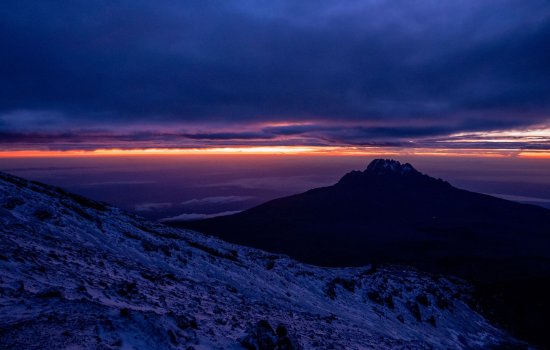
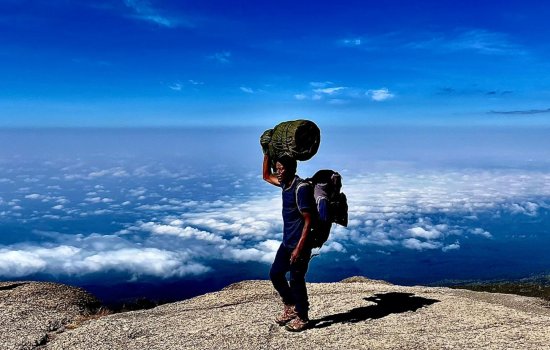
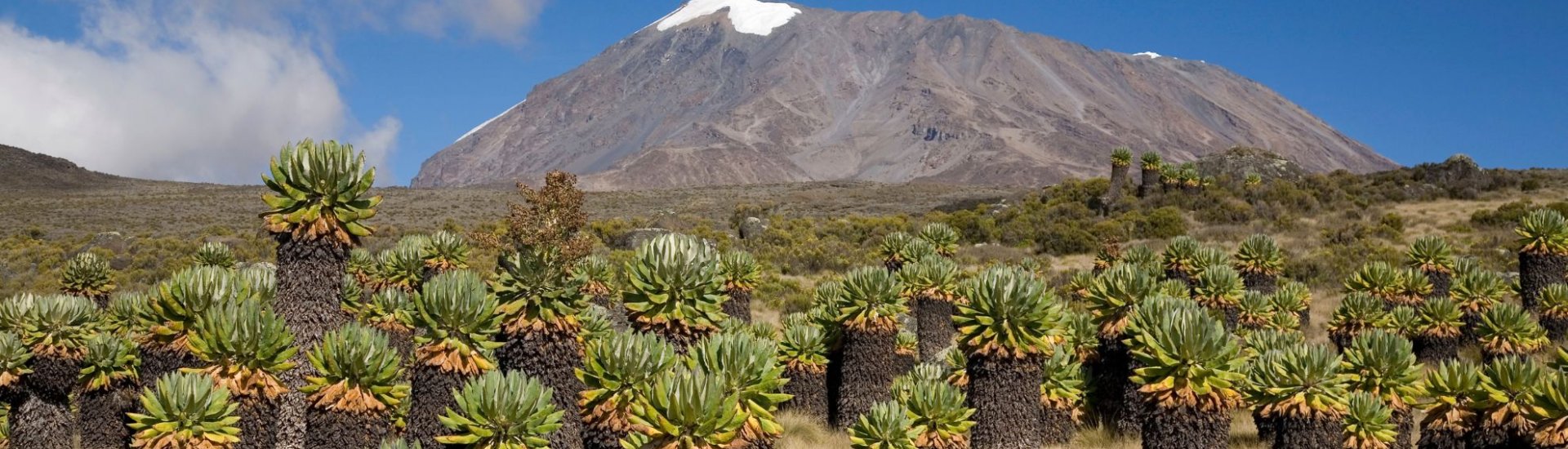
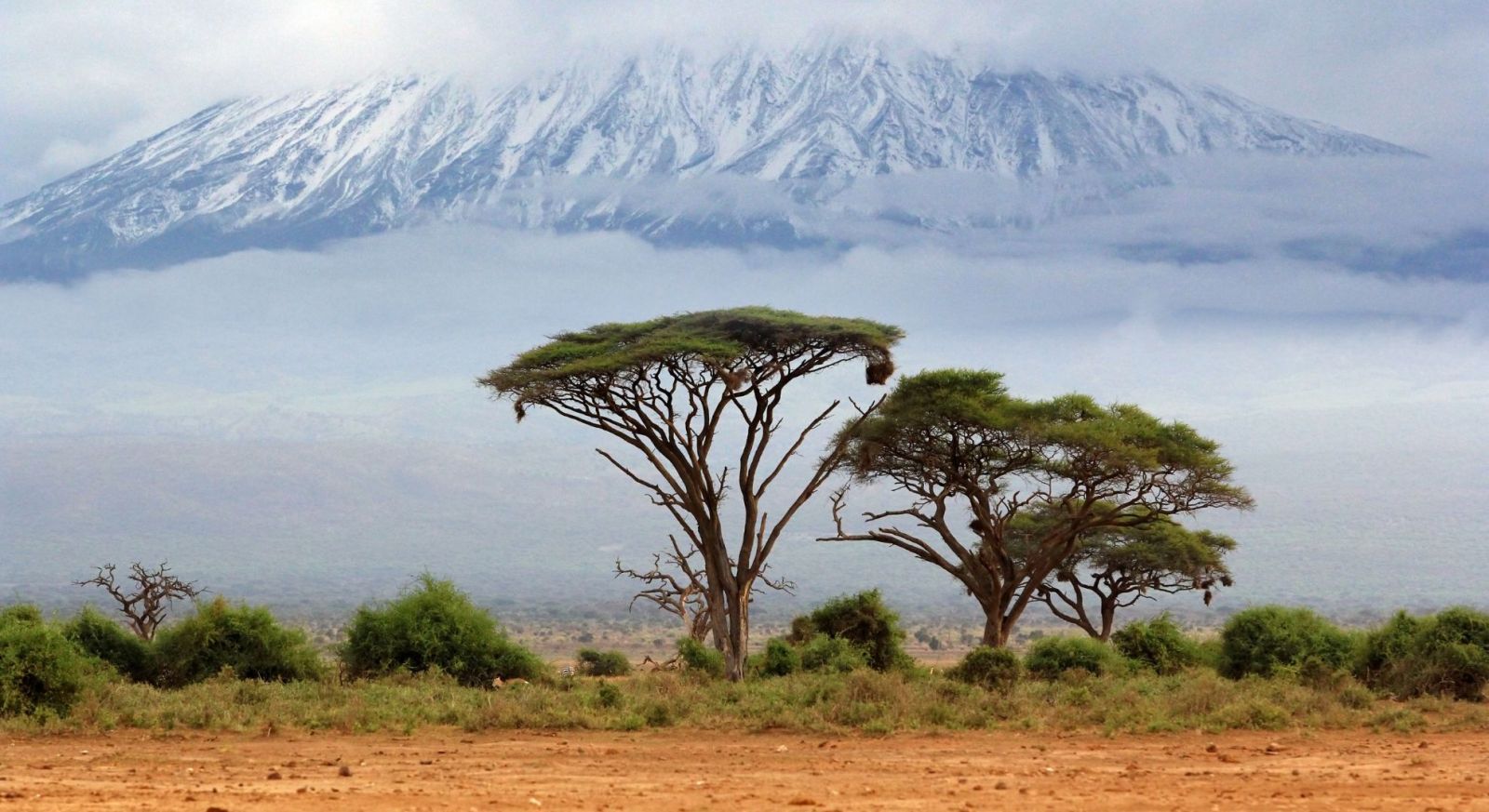
Standing at 5,895 metres, Mount Kilimanjaro is Africa's highest mountain and the world's highest free-standing volcano. It's a journey through rainforest, moorland and high-altitude landscapes to Uhuru Peak.
But for us, Kilimanjaro isn't simply another trek we can book.
We've experienced Kilimanjaro ourselves and have also helped groups take on the mountain, so we understand just how much planning, preparation and support goes into the adventure.
We'll help arrange your Kilimanjaro trek, international flights, accommodation and transfers, and your adventure doesn't have to end when you come down the mountain - add a Tanzanian safari or time relaxing in Zanzibar afterwards.
There's a big difference between reading about Kilimanjaro and actually experiencing life on the mountain. We can talk to you about what the days can feel like, camping on the mountain, altitude, summit night and the practical things you might not think to ask before booking.
Experienced Local Guides
Climbing Kilimanjaro must be undertaken through a licensed operator and guide arrangements form an essential part of the trek. We work with established travel suppliers to arrange your trek with experienced local teams who know the mountain.
More Than Just the Trek
We can bring together your flights, pre- and post-trek accommodation, transfers and trek, as well as adding other experiences around your climb.
Safari, Zanzibar - Or Both
Reaching the summit doesn't necessarily have to be the end of your Tanzanian adventure.
Head out on safari, fly to Zanzibar for some well-earned relaxation or combine all three into one bigger journey.
You don't need to be a technical mountaineer to trek Kilimanjaro, but that doesn't make it easy. The UIAA describes the normal ascent as mainly walking with some easy scrambling, while emphasising that the altitude is the major challenge.
You'll be walking for several consecutive days and climbing to 5,895m, so preparation, pacing and acclimatisation matter.
You may hear your guides saying “pole pole” - slowly, slowly - and that really does capture the approach needed on the mountain.
Altitude can affect anyone, regardless of fitness or previous mountain experience.
A slower itinerary with sufficient time to acclimatise is important. The UIAA advises allowing enough time for acclimatisation and says that anyone experiencing altitude illness should not continue higher until symptoms resolve; descent may be necessary if symptoms worsen.
We'll help you understand the itinerary and number of trekking days before you book, but medical questions about altitude and your individual suitability for high-altitude trekking should be discussed with an appropriate healthcare professional.
Which Kilimanjaro Route Is Right for You?
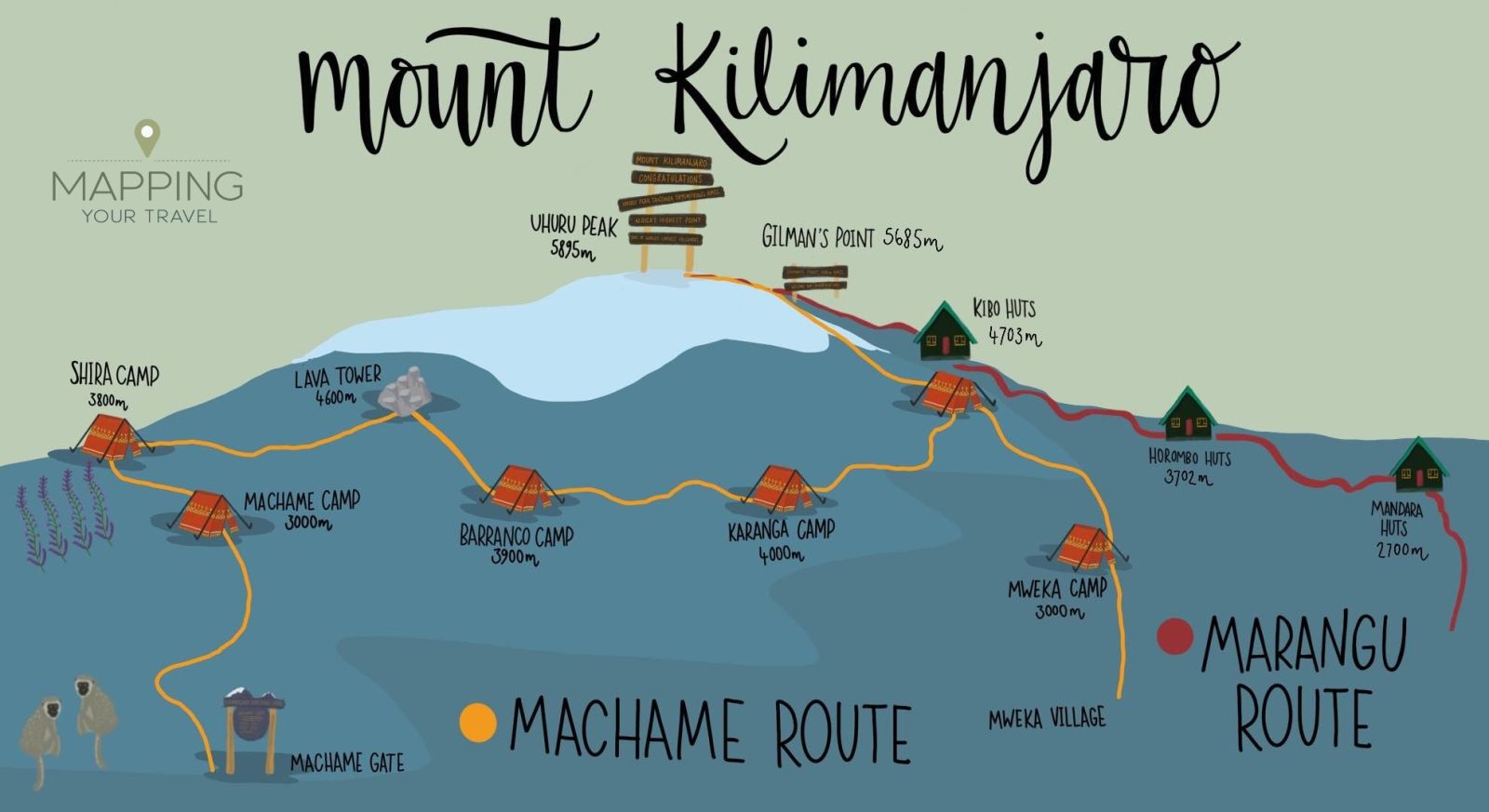
Machame Route - A Classic Kilimanjaro Trek
The Machame Route is one of Kilimanjaro's established trekking routes and takes you through changing landscapes as you make your way towards the summit.
Accommodation is in tented camps, and the route includes the famous Barranco Wall before continuing towards summit night.
Best for: Camping • Varied scenery • Classic Kilimanjaro experience
Accommodation: Tented camps along the mountain route.
Facilities: Camping mats are provided, with meals prepared by the mountain team and usually served in a dining tent. Washing facilities vary between camps and operators.
Time to acclimatise: Longer Machame itineraries can include an additional trekking day, allowing more time to adjust to the altitude before the summit attempt.
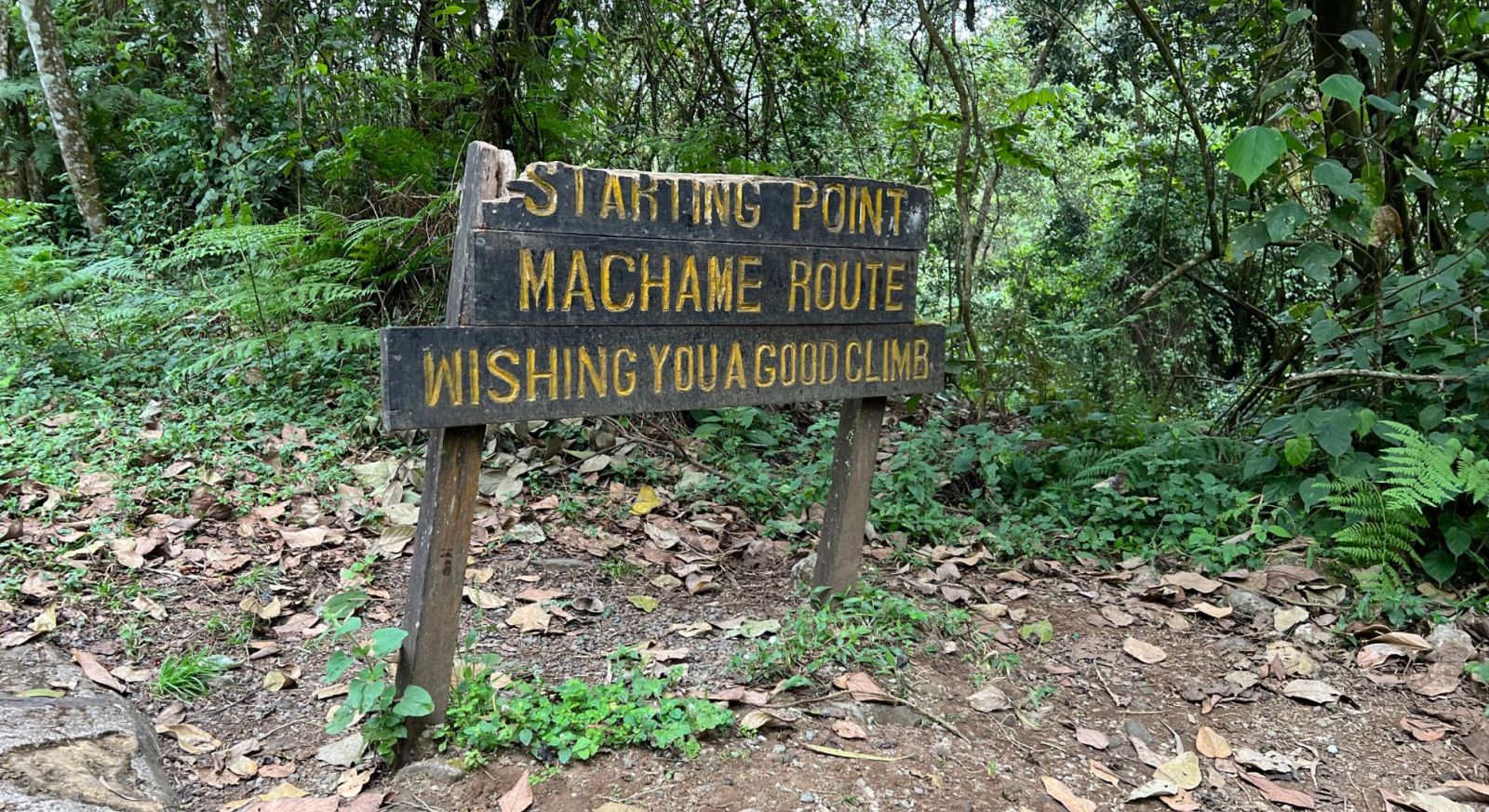
Southern approach: Begin your trek at Machame Gate on the southern side of Kilimanjaro.
Changing scenery: Walk through rainforest, heathland and dramatic high-altitude landscapes as you make your way towards the summit.
A different descent: Descend via the Mweka Route, giving you the opportunity to experience another side of the mountain.
The Barranco Wall: Tackle one of the route's most memorable sections, a steep rocky ascent involving some scrambling and spectacular mountain views.
Marangu Route - Kilimanjaro's Hut Route
The Marangu Route offers something different from Kilimanjaro's other main trekking routes: accommodation is provided in mountain huts rather than tents. TANAPA confirms that Marangu uses Mandara, Horombo and Kibo huts, while the other routes use designated tented camps.
Best for: Hut accommodation • Established trail • Those who prefer not to camp
Accommodation: Stay in basic mountain huts at Mandara, Horombo and Kibo rather than camping in tents.
Facilities: Shared sleeping areas and basic facilities. Washing facilities vary between huts, so hot showers should not be expected.
An established route: Marangu follows a well-defined trail, with drinks and snacks sometimes available to purchase at the lower huts.
Mountain hut accommodation: Marangu is the only main Kilimanjaro trekking route offering hut accommodation throughout the climb.
Time to acclimatise: A longer itinerary can include an additional night at Horombo, allowing more time to adjust to the altitude before continuing towards Kibo.
Don't underestimate the climb: Although Marangu is often described as a more straightforward route, reaching Kilimanjaro's summit remains a demanding high-altitude challenge.
Return journey: Descend along the same route, passing through the mountain's changing landscapes on your way back to Marangu Gate.
Consider Other Kilimanjaro Routes
Machame and Marangu aren't the only ways to experience Kilimanjaro.
Depending on the trip and operator, routes such as Lemosho and Rongai may also be available, each offering a different approach to the mountain.
We'll help you compare the number of trekking days, accommodation, route and overall experience rather than simply choosing the shortest itinerary.
For several days, your routine becomes beautifully simple: wake, eat, walk, rest and repeat, watching the landscape change as you gain altitude.
On camping routes, the support team transports the main camp equipment while you walk with your daypack. Meals and camp become an important part of each day's rhythm.
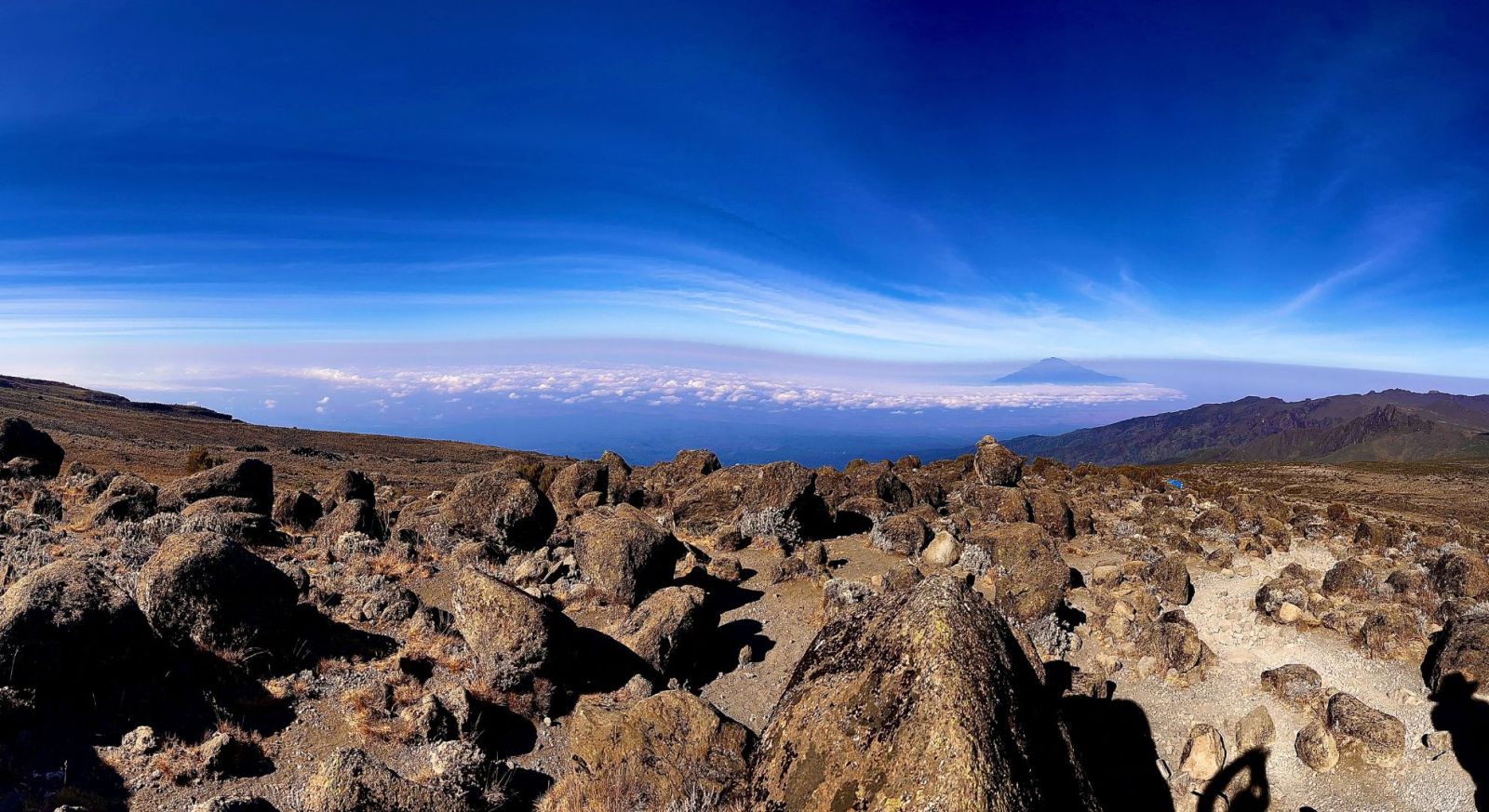
Temperatures and conditions can change enormously as you climb, so preparing for the environment is an important part of getting ready for Kilimanjaro. The UIAA notes that conditions range from warm lower slopes to very cold high-altitude conditions.
Kilimanjaro & Safari
After spending days on the mountain, experience another side of Tanzania.
Combine your Kilimanjaro trek with a Tanzanian safari, heading out in search of elephants, lions, giraffes and other wildlife before returning home.
We can arrange the safari as part of the wider itinerary, including accommodation, transfers and flights.
After the mountain, fly to Zanzibar and spend a few days relaxing beside the Indian Ocean, explore Stone Town or combine beach time with more of the island.
For many travellers, Kilimanjaro + safari + Zanzibar creates an extraordinary three-part Tanzanian adventure.
Climbing Kilimanjaro is a big undertaking, and you're likely to have plenty of questions before deciding whether it's right for you.
We've experienced Kilimanjaro ourselves, so talk to us about the route, what life on the mountain is like and how your trek could fit into a wider Tanzania adventure.
We'll then help bring together the practical elements around your journey.
Technically, you can climb Kilimanjaro all year round, but here are our recommendations:
JUNE-OCTOBER: BEST TIME usually dry and clear skies. Quieter.
NOV-DEC: Rain. Visibility might not be as good.
JAN-FEB: Good visibility. BUSY as holiday season.
MARCH-MAY: Avoid due to wet, wind and snow. Visibility might not be as good.

.jpg)
.jpg)